Nov กลับไปที่รายการ
Drywall Anchor วิธีถอดพุกยิปซั่ม Removal Technical Analysis
Removing a drywall anchor can be a frustrating ordeal, especially when the fastener becomes stripped or wedged tightly into the gypsum board. Whether you are renovating a room or simply moving a wall-mounted fixture, the goal is always the same: extracting the hardware without leaving a gaping hole in the wall.
The difficulty often lies in the mechanical design of these anchors, which are specifically engineered to expand and grip the fragile interior of drywall to support weight. When the intent shifts from installation to removal, these same grip mechanisms become the primary obstacle, often leading to accidental wall damage if the wrong technique is applied.
Understanding the specific mechanics of your hardware is the first step toward a clean extraction. For those seeking a professional approach to วิธีถอดพุกยิปซั่ม, the following guide analyzes the technical methods for different anchor types and how to maintain wall integrity during the process.
Mechanical Logic of Drywall Anchors
Drywall anchors function through a principle of "mechanical interference." Whether they are plastic expansion plugs, self-drilling threaded anchors, or toggle bolts, they all aim to distribute the load over a larger surface area of the gypsum core, which is inherently brittle.
The primary challenge of removal is that the anchor's geometry changes once installed. For example, a toggle bolt unfolds behind the wall, creating a physical lock that cannot be simply "unscrewed." Understanding this geometry is essential to avoid destroying the surrounding wall surface.
Extraction Techniques by Anchor Type
For simple plastic expansion anchors, the most effective method is often a combination of gentle prying and screwing. By inserting a screw slightly into the anchor and using the back of a hammer or a pry bar, the anchor can be pulled forward. If the head is flush, using needle-nose pliers to grip the edge of the plastic rim is the most direct path to removal.
Self-drilling anchors, which resemble large screws, require a different approach. While they are designed to be screwed in, they often bind with the gypsum. Using a wide-head screwdriver or a specialized extraction tool allows for a steady counter-clockwise rotation. In cases where the head is stripped, a small amount of heat applied to the screw head can sometimes break the bond between the metal and the wall.
Toggle bolts are the most complex. Since the wing is locked behind the drywall, the only way to remove them without cutting a large hole is to unscrew the bolt until the wing is free to rotate, then let it drop into the wall cavity. If the wing is stuck, a common professional tactic is to push the anchor deeper into the wall and patch the resulting hole, as extracting the wing often requires destructive demolition.
Critical Risks During Removal
The primary risk during any removal process is the "crater effect," where the anchor pulls a large chunk of the gypsum core out with it. This usually happens when too much force is applied in a single direction without supporting the wall surface.
Wall integrity depends on the distribution of pressure; the use of a wide washer or a flat piece of scrap wood behind a pry tool is essential to prevent localized collapse of the drywall surface.
Another significant risk is the damage to internal utilities. Drywall often hides electrical wiring and plumbing. When using aggressive extraction methods—such as drilling out the anchor or using deep-reaching pliers—there is a heightened risk of puncturing a line if the anchor was installed too close to a stud or a junction box.
Removal Efficiency Comparison
Different removal methods yield varying levels of success depending on the anchor's material and installation depth. While manual pulling is fast, it often results in higher damage rates. Conversely, technical extraction using specialized tools increases the time spent but significantly reduces the need for extensive wall patching.
Evaluating these methods involves looking at the trade-off between effort and surface preservation. For a professional contractor, the "preservation index" is the most critical metric, as the cost of repainting a wall often exceeds the cost of the hardware itself.
Figure 2. Removal Method Effectiveness Index
Practical Application Scenarios
In a typical residential renovation, a homeowner might encounter dozens of old anchors from previous shelving units. The most efficient workflow is to categorize the anchors first. For those that are clearly plastic expansion types, a quick "screw and pull" method is sufficient. However, for heavy-duty industrial anchors—like those used in commercial lighting fixtures—a more cautious approach is required to avoid compromising the structural integrity of the partition wall.
For SMEs in the construction sector, utilizing high-quality fasteners from the start reduces these removal headaches. For instance, choosing components with precise tolerances, such as the standardized industrial bolts produced by Handan Boen Fastener Manufacturing Co., Ltd., ensures that fasteners fit perfectly and can be disassembled more predictably than low-grade alternatives.
Future Trends in Fastener Design
The industry is moving toward "reversible fastening" systems. Historically, drywall anchors were seen as semi-permanent. However, the rise of modular office spaces and frequent interior redesigns has created a demand for anchors that provide high load-bearing capacity while remaining easy to remove without damage.
Material science is also playing a role. The shift from simple polyethylene to reinforced composites allows for anchors that grip tighter but can be "released" using specific tools or thermal triggers. This evolution mirrors the broader trend in the metal products industry toward leaner, more sustainable manufacturing processes that prioritize the entire lifecycle of the component.
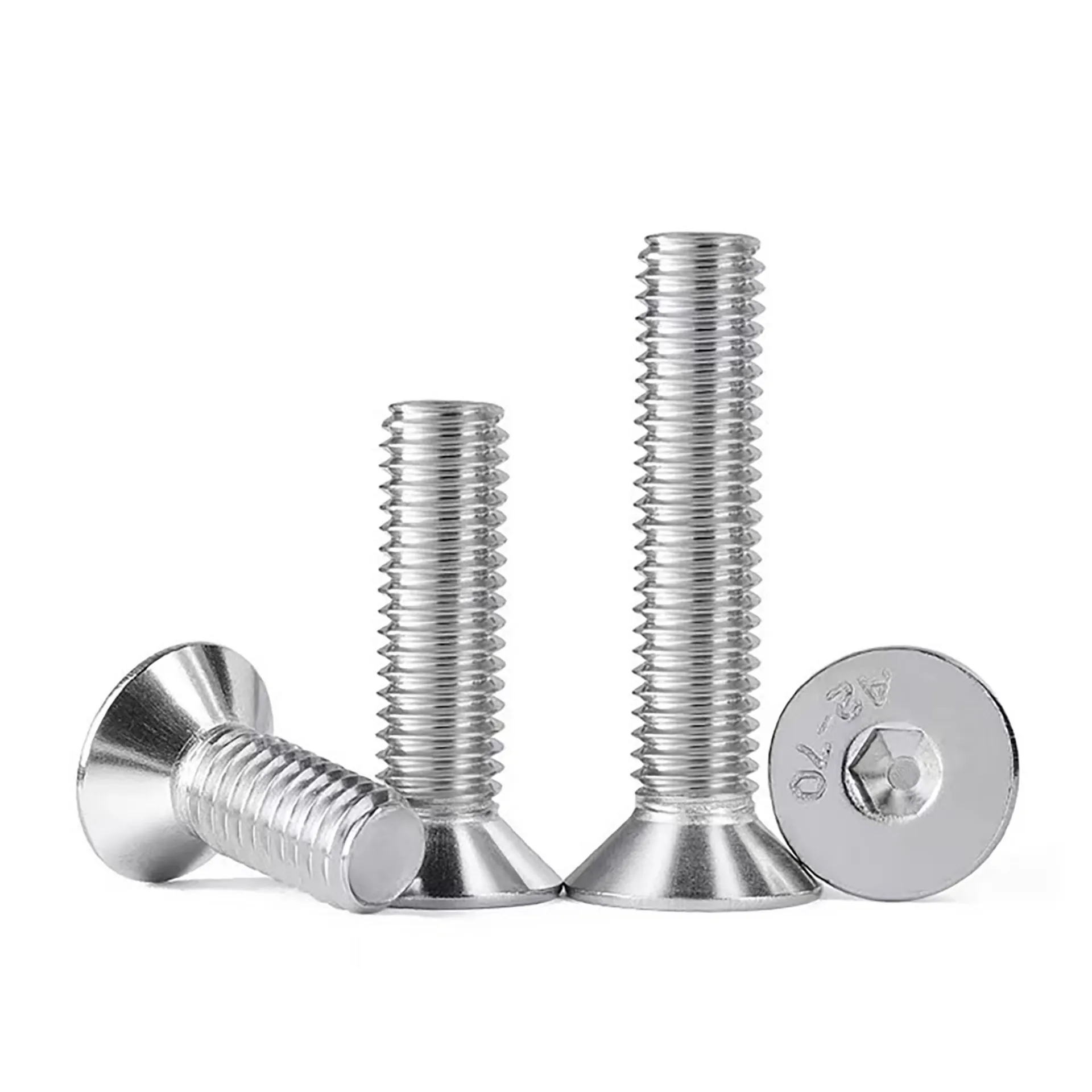
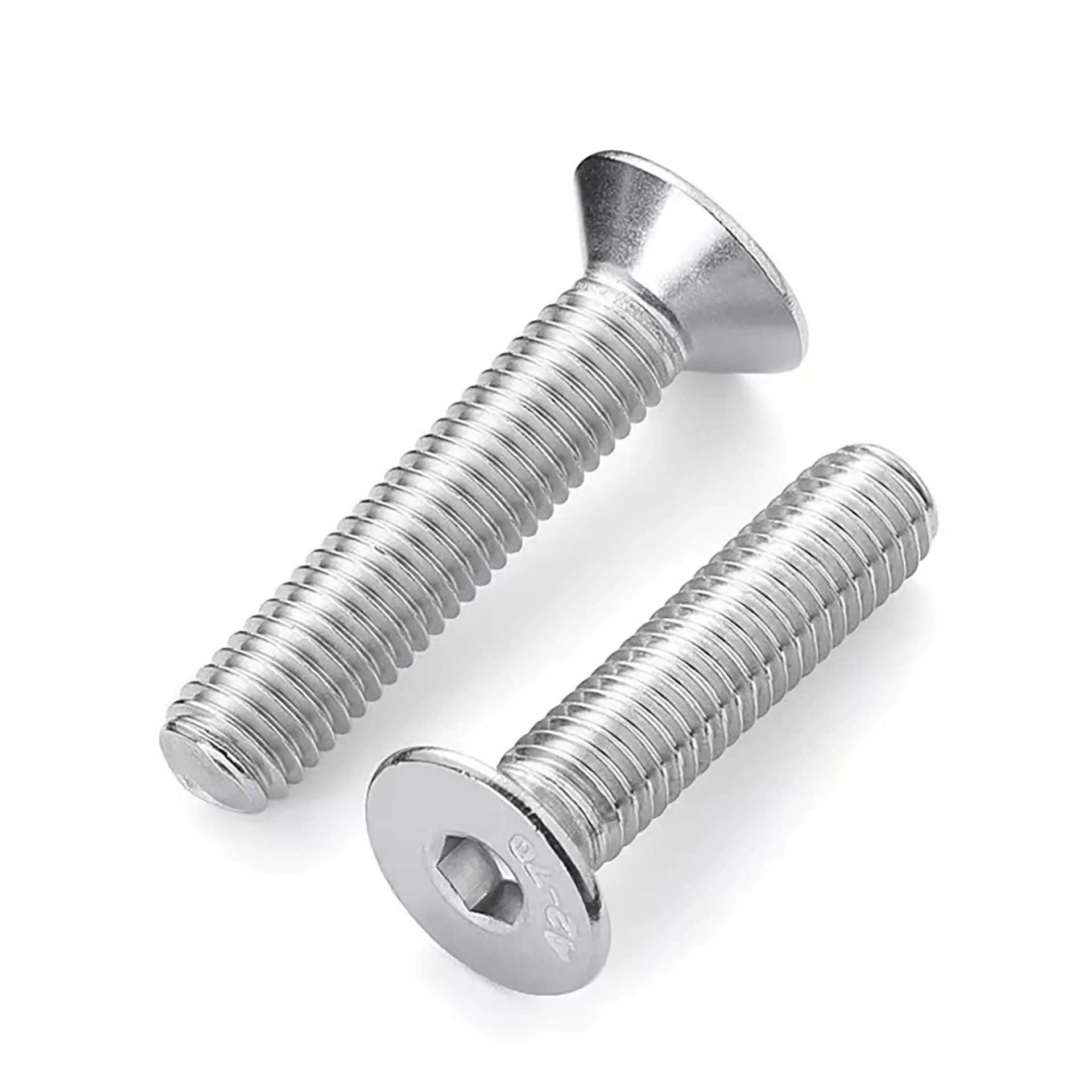
Furthermore, the integration of smarter head designs—such as the conical countersunk head—allows for a flush finish that is aesthetically pleasing but also provides a more secure point of contact for extraction tools, reducing the likelihood of stripping the head during removal.
Selecting the Right Removal Strategy
Choosing the right strategy depends on the value of the wall surface versus the value of the fastener. In most cases, the anchor is disposable, and the wall is the priority. Therefore, the strategy should always prioritize the method with the lowest impact on the surrounding gypsum board.
A decision framework should consider the anchor material, the depth of installation, and the available tools. For example, using a CR-V Ball Point Hex Key for specialized socket screws allows for a more precise grip and less slippage compared to generic tools, which is critical when working with high-strength industrial fasteners.
Ultimately, the goal of any วิธีถอดพุกยิปซั่ม process is to minimize the repair work. By following a structured evaluation of the anchor type and selecting the corresponding tool, the risk of wall failure is significantly mitigated.
| Anchor Type | Primary Tool | Risk Level | Recommended Action |
|---|---|---|---|
| Plastic Expansion | Needle-nose Pliers | Low | Grip rim and pull slowly |
| Self-Drilling | Wide-head Screwdriver | Medium | Counter-rotate with steady pressure |
| Toggle Bolt | Screwdriver / Magnet | High | Release wing and allow to drop |
| Hollow Wall | Pry Bar + Wood Block | Medium | Leverage against support surface |
| Metal Sleeve | Drill (Small Bit) | High | Drill center and extract pieces |
| Socket Head | Hex Key / Extractor | Low | Direct unscrewing via head |
Questions & Answers
Yes, it is possible, but it requires a method tailored to the specific anchor type. For plastic anchors, using pliers to grip the rim or a screw to pull it out slowly is best. The key is to avoid sudden, forceful movements and to use a support (like a piece of wood) to distribute pressure across the wall surface, preventing the gypsum from cracking.
If the head is stripped, avoid continuing to force the screwdriver, as this will only deepen the damage. You can try using a rubber band between the screwdriver and the screw for extra grip, or use a specialized screw extractor. In extreme cases, drilling out the center of the screw with a cobalt drill bit is the most reliable way to remove the remaining hardware.
Toggle bolts are designed to unfold into a "T" or "wing" shape behind the wall, creating a mechanical lock that cannot be pulled back through the hole. To remove them, the bolt must be unscrewed enough for the wing to collapse or rotate. If the wing is jammed, the only non-destructive option is often to push the entire unit further into the wall cavity.
Professionals typically use a combination of needle-nose pliers, high-torque screwdrivers, and precision hex keys. For industrial settings, tools with CR-V (Chrome Vanadium) construction are preferred for their durability and fit. Additionally, having a variety of extraction bits and a small pry bar with a rubberized tip can significantly reduce wall damage.
If the anchor is flush with the wall and not in the way of new fixtures, patching over it is often the safest and fastest option. However, if you need to install a new fastener in the same spot or if the anchor is protruding, removal is necessary. The decision depends on whether the removal process would cause more damage than simply filling the hole.
The best prevention is selecting the correct anchor for the load and wall type. Using standardized, ISO-certified fasteners ensures a more predictable fit. Avoiding over-tightening during installation prevents the anchor from becoming permanently wedged in the gypsum, making future disassembly much simpler and safer.
Final Thoughts
Successfully managing the removal of drywall anchors is less about force and more about understanding the mechanical relationship between the fastener and the gypsum substrate. By categorizing the anchor type and applying the corresponding extraction logic, you can avoid the costly mistake of destroying your wall surface.
Whether you are a DIY enthusiast or a professional contractor, the priority should always be the preservation of the building's interior. Investing in high-quality, standardized fasteners from the start—and using the correct tools for removal—ensures that your installations are secure today and manageable tomorrow.
- Drywall Anchor วิธีถอดพุกยิปซั่ม Removal Technical Analysis
- Industrial Anchoring Systems พุกคืออะไร Technical Analysis
- Plastic Wall Plugs วิธีถอดพุกพลาสติกผนัง Removal Performance Analysis
- Gypsum Anchor พุกยิปซั่มรับน้ำหนักได้กี่กิโลกรัม Load Bearing Analysis
- Plastic Wall Plug วิธีถอดพุกพลาสติก Technical Extraction Analysis