Nov กลับไปที่รายการ
Plastic Wall Plugs วิธีถอดพุกพลาสติกผนัง Removal Performance Analysis
Removing embedded plastic wall plugs often presents a frustrating challenge for homeowners and maintenance professionals alike. Whether you are renovating a room or simply moving a shelf, knowing the correct วิธีถอดพุกพลาสติกผนัง (how to remove plastic wall plugs) prevents unnecessary damage to the drywall or masonry surface.
The difficulty typically arises because these fasteners are designed to expand and grip the surrounding material tightly to ensure load-bearing stability. When the screw is removed, the plastic sleeve remains wedged in the hole, often flush with or recessed slightly into the wall, making it nearly impossible to grab with standard tools.
To resolve this without leaving unsightly craters in your walls, it is essential to understand the mechanical interaction between the plug and the substrate. This guide explores professional extraction techniques, the tools required for different wall types, and how to transition to more permanent structural solutions.
Mechanical Grip and Wall Plug Friction
Plastic wall plugs operate on the principle of friction and expansion. When a screw is driven into the plug, it forces the plastic walls to expand outward, creating a high-pressure interface between the anchor and the wall. This "interference fit" is what provides the holding power required for hanging objects.
Because the plastic often deforms slightly to match the irregularities of the drilled hole, removing it becomes a task of overcoming this friction without pulling out chunks of the wall itself. The difficulty of วิธีถอดพุกพลาสติกผนัง depends largely on whether the plug has "mushroomed" at the end or remained cylindrical.
Extraction Techniques for Different Substrates
For drywall or plasterboard, the most effective approach is often the "screw-and-pull" method. By driving a screw just a few millimeters into the plastic plug—not deep enough to expand it further—you create a grip point. Using a pair of pliers, you can then gently pull the plug out. If the plug is flush, using a vacuum cleaner with a narrow nozzle can sometimes create enough suction to pull it forward.
In concrete or brick walls, the friction is significantly higher. A professional approach involves using a thin drill bit to carefully bore into the center of the plastic plug. This removes a core of the plastic, reducing the outward pressure and allowing the remaining sleeve to be picked out with a needle-nose plier or a specialized extraction tool.
Alternatively, for those who do not intend to reuse the hole, pushing the plug further into the wall using a nail and hammer is a common solution. Once the plug is recessed beyond the surface of the drywall, the hole can be filled with joint compound and sanded smooth, effectively hiding the anchor entirely.
The Risk of Wall Surface Degradation
Improper removal attempts often lead to "blowouts," where the outer layer of the wall is ripped away along with the plug. This is especially common in brittle materials like old plaster or low-density gypsum board.
The primary goal of วิธีถอดพุกพลาสติกผนัง is to maintain the structural integrity of the wall substrate; once a blowout occurs, the surface area required for a new anchor is compromised, necessitating larger patches or larger anchors.
To minimize this risk, avoid using excessive force. If a plug refuses to budge, switching from a pulling motion to a twisting motion with pliers can break the static friction bond. In industrial settings, professionals may use a specialized plug extractor that grips the inner rim of the plastic without exerting outward pressure on the wall.
Efficiency Analysis of Removal Methods
When comparing different methods for removing wall plugs, we must consider three primary factors: the time required, the risk of wall damage, and the cleanliness of the result. While pushing the plug into the wall is the fastest, it is not suitable for masonry where the plug cannot be compressed.
The "screw-and-pull" method remains the most balanced approach for residential use. However, for high-volume renovations, technical extraction tools provide a more consistent result with lower fatigue for the operator.
Figure 2. Removal Method Effectiveness Index
Industrial Applications and Heavy-Duty Alternatives
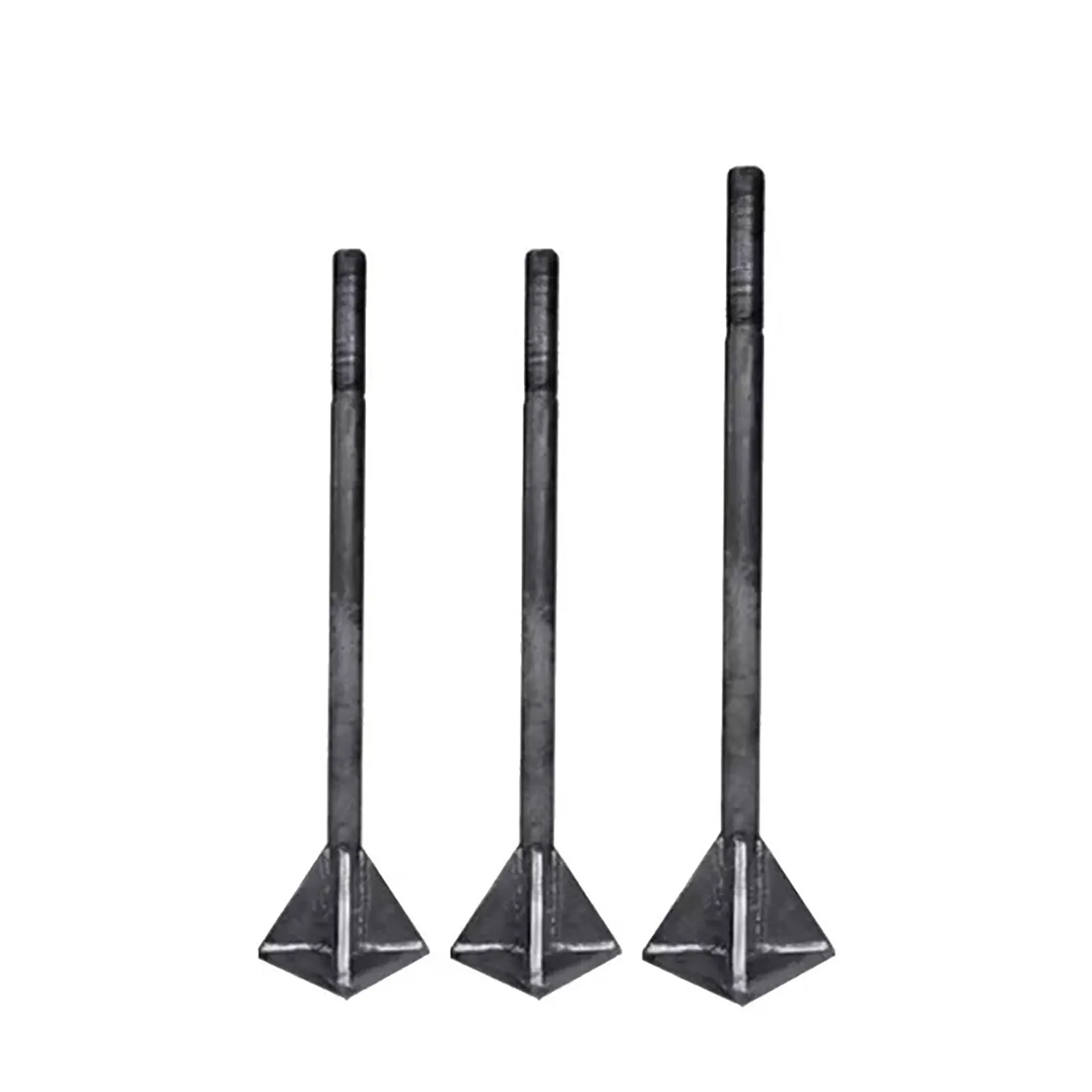
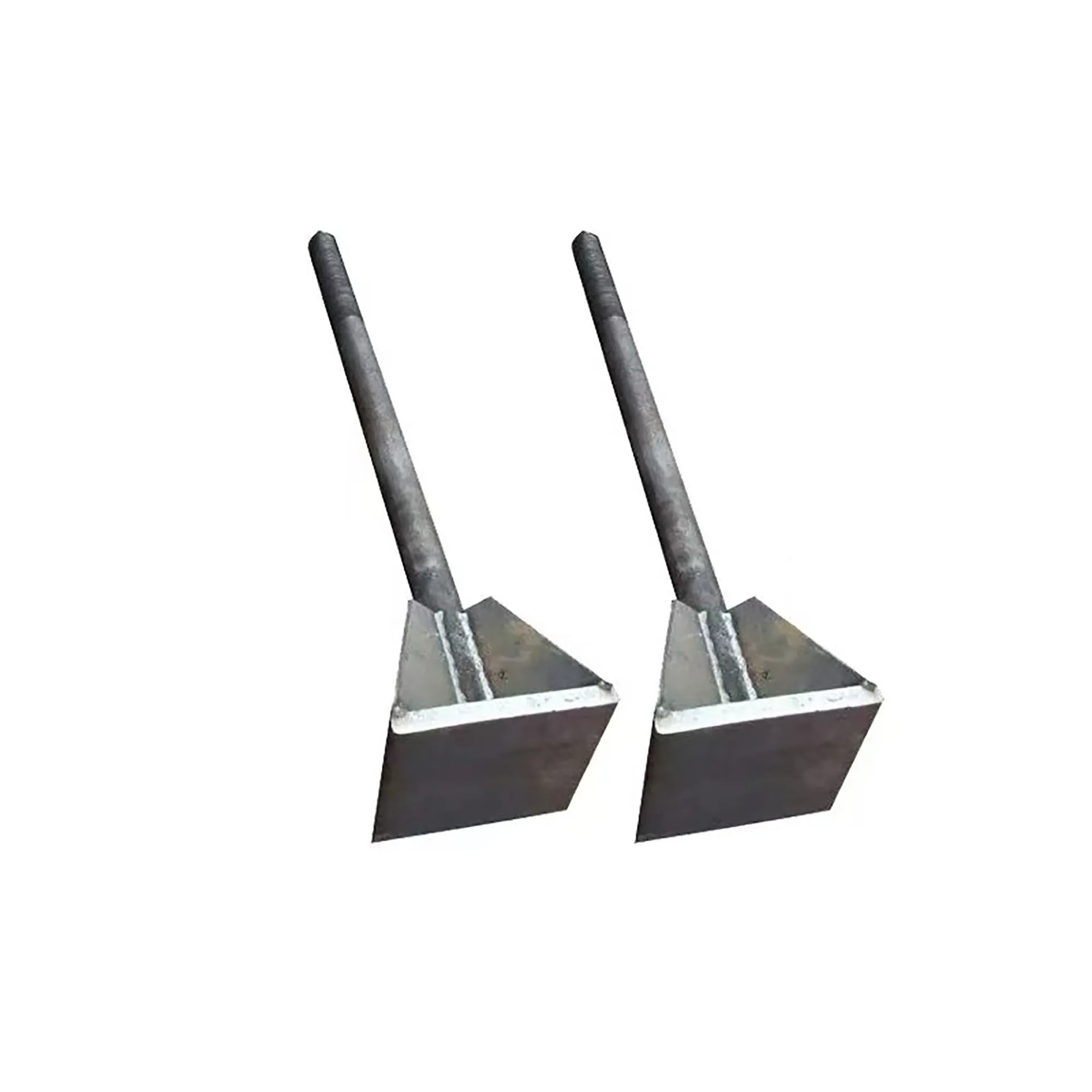
While plastic plugs are sufficient for light household items, industrial environments require fasteners that can handle significant shear and tensile loads. In these cases, the focus shifts from simple plastic anchors to high-strength steel systems. For example, when connecting heavy machinery to concrete foundations, Welded Plate Anchor Bolts are employed. Unlike plastic plugs, these are secured through welding and integrated base plates, distributing weight evenly to prevent foundation cracking.
The transition from domestic "problem-solving" (like วิธีถอดพุกพลาสติกผนัง) to industrial "system-design" emphasizes the importance of choosing the right material for the load. Using Q235 or Q355 high-strength steel ensure that the assembly resists vibration and impact, a stark contrast to the temporary nature of plastic wall plugs.
Evolution of Anchoring Systems in Construction
The construction industry has moved toward pre-assembled systems to reduce on-site errors and increase installation speed. Traditional anchors required precise manual drilling and fitting, often leading to the very issues that make removal so difficult today. Modern pre-assembled welded base plate systems are manufactured in controlled environments, ensuring dimensional accuracy and superior weld strength.
This evolution reduces the reliance on site-specific adaptations. By using standardized components, engineers can calculate exactly how a structure will behave under load, eliminating the guesswork associated with manual anchor placement. The durability is further enhanced through hot-dip galvanizing or anti-corrosion coatings.
As safety standards increase, the trend is shifting toward "zero-defect" fastening. This means moving away from simple friction-fit plastics for anything other than lightweight decor, and adopting certified structural fixings that offer predictable, long-term performance.
Selecting the Optimal Fastening Strategy
Choosing between a plastic plug and a professional anchor depends on the substrate, the load, and the permanence of the installation. For temporary fixtures in drywall, plastic plugs are cost-effective, provided the user is comfortable with the eventual process of วิธีถอดพุกพลาสติกผนัง.
For structural steel or heavy mechanical equipment, the selection must be based on tensile and shear force calculations. A welded assembly provides a monolithic unit that resists displacement caused by operational vibrations, making it the only viable choice for industrial machinery.
The following table provides a relative assessment of different fastening options based on common application requirements.
| Fastener Type | Substrate | Load Capacity | Removal Difficulty |
|---|---|---|---|
| Plastic Plug | Drywall/Brick | Low | Moderate |
| Chemical Anchor | Concrete | Very High | Extreme |
| Drop In Anchor | Concrete | High | High |
| Welded Plate Bolt | Foundation | Industrial | Professional Only |
| Blind Rivet | Thin Metal | Medium | Low (Drill out) |
| Self-Drilling Screw | Metal/Wood | Medium | Low |
Questions & Answers
Plastic plugs are designed to expand under pressure from a screw, creating an interference fit against the wall. Over time, the plastic conforms to the hole's shape and creates high friction, which resists simple pulling motions. This is why a specific technique like the "screw-and-pull" or drilling the core is necessary for successful removal.
Yes, provided the removal was clean. If you used a method that didn't cause a blowout, you can simply insert a new plug of the same size. If the hole has become slightly enlarged during the extraction process, you may need to use a slightly larger plug or a specialized toggle bolt to ensure the new anchor grips the substrate securely.
The most effective way is to push the plug slightly into the wall using a nail and a hammer. Once it is recessed about 2-3mm below the surface, fill the void with a high-quality spackle or joint compound. After it dries, sand it flush with the wall and apply a matching coat of paint for a seamless finish.
Steel anchors should be used whenever the load exceeds the limits of plastic (typically anything heavier than light shelving or art). For structural applications, such as mounting machinery or steel columns to a concrete base, professional systems like Welded Plate Anchor Bolts are required to handle tensile and shear forces that would cause plastic plugs to fail instantly.
Yes, provided you use a drill bit that is narrower than the plug itself. The goal is to remove the internal structural integrity of the plastic sleeve so it collapses inward. This eliminates the outward pressure against the wall, allowing the remaining plastic to be easily pulled out with pliers without damaging the masonry.
Absolutely. Drywall is softer and more prone to blowouts, making a gentle pull the best option. Concrete and brick provide much higher friction and a rigid shell, which often requires the "drill-out" method. Understanding the substrate is the first step in choosing the right approach to วิธีถอดพุกพลาสติกผนัง.
Final Thoughts
Mastering the process of วิธีถอดพุกพลาสติกผนัง is less about strength and more about understanding the mechanical bond between the fastener and the wall. By choosing the right tool for the substrate—whether it is a simple screw for drywall or a drill bit for concrete—you can maintain the integrity of your surfaces and ensure a professional finish for any renovation project.
Ultimately, while plastic plugs serve a purpose for lightweight home tasks, the transition to professional-grade fastening systems is essential for industrial safety. From high-strength steel bolts to pre-assembled welded base plates, the right choice of hardware ensures that structures remain stable and secure for decades to come.
- Plastic Wall Plugs วิธีถอดพุกพลาสติกผนัง Removal Performance Analysis
- Gypsum Anchor พุกยิปซั่มรับน้ำหนักได้กี่กิโลกรัม Load Bearing Analysis
- Plastic Wall Plug วิธีถอดพุกพลาสติก Technical Extraction Analysis
- Wood to Concrete Fastening วิธียึดไม้เข้ากับคอนกรีต Performance Analysis
- Wall Anchor วิธีถอดพุกติดผนัง Technical Extraction Analysis